ZEISS
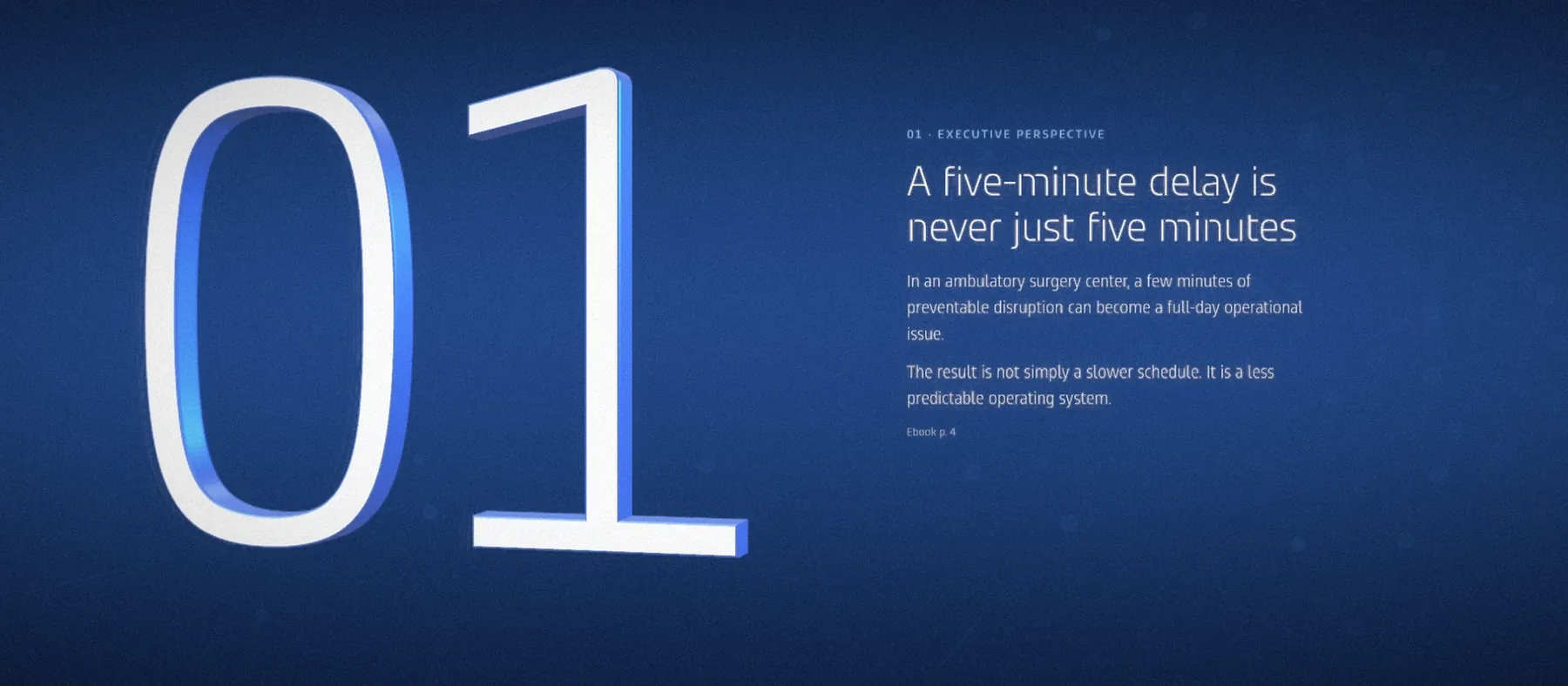
A commissioned ebook for surgery center leaders, and the five interactive web concepts I built from it over a weekend to show what the campaign could become online.
- Client
- ZEISS Medical Technology
- Audience
- Ambulatory surgery center leaders
- Objective
- Show how workflow friction costs an ASC, and invite a conversation
- My role
- Ebook production and design, web concepts, AI direction
- With
- Catalyst Marketing creative director; Claude, ChatGPT
- Status
- Ebook commissioned. Web concepts self-initiated, not presented to the client
An ebook that wanted to be a place
“Every minute matters” is an account-based campaign for ZEISS aimed at the people who run ambulatory surgery centers. Its argument is that small, repeatable delays quietly drain a surgical day, and that better visualization workflow gives those minutes back.
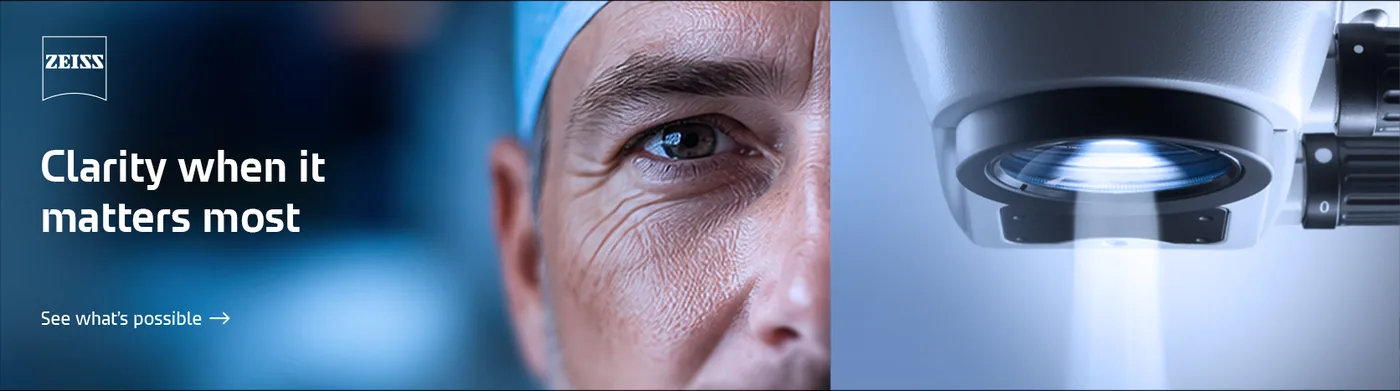
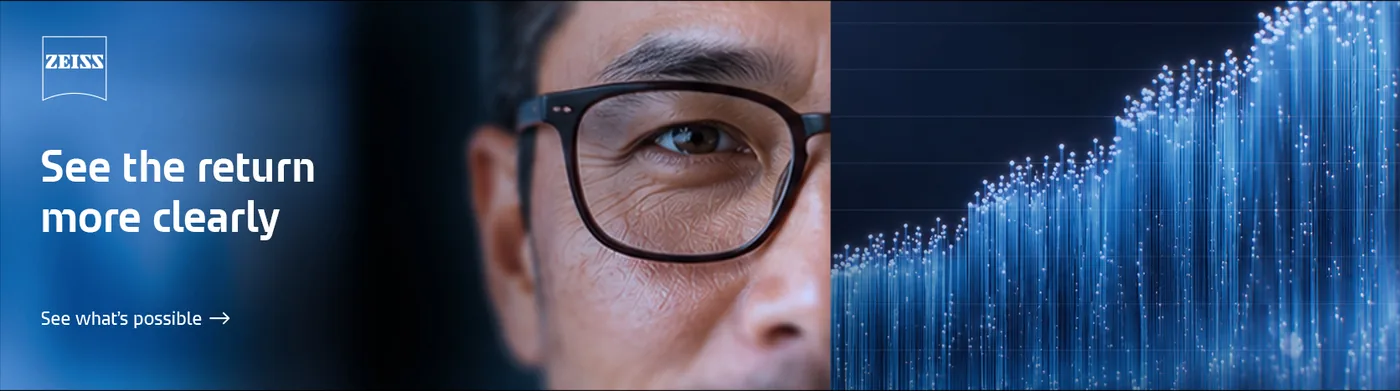
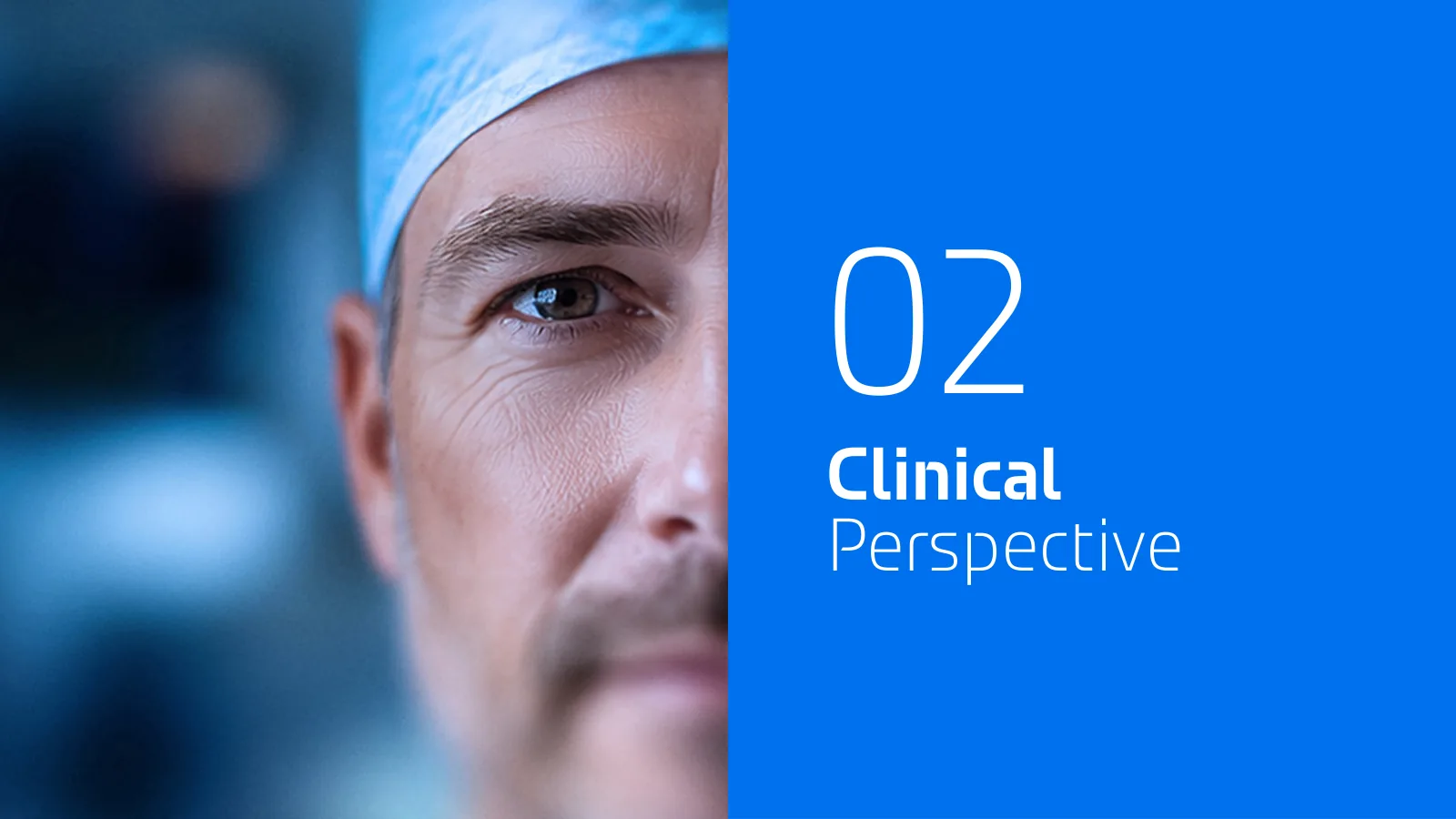
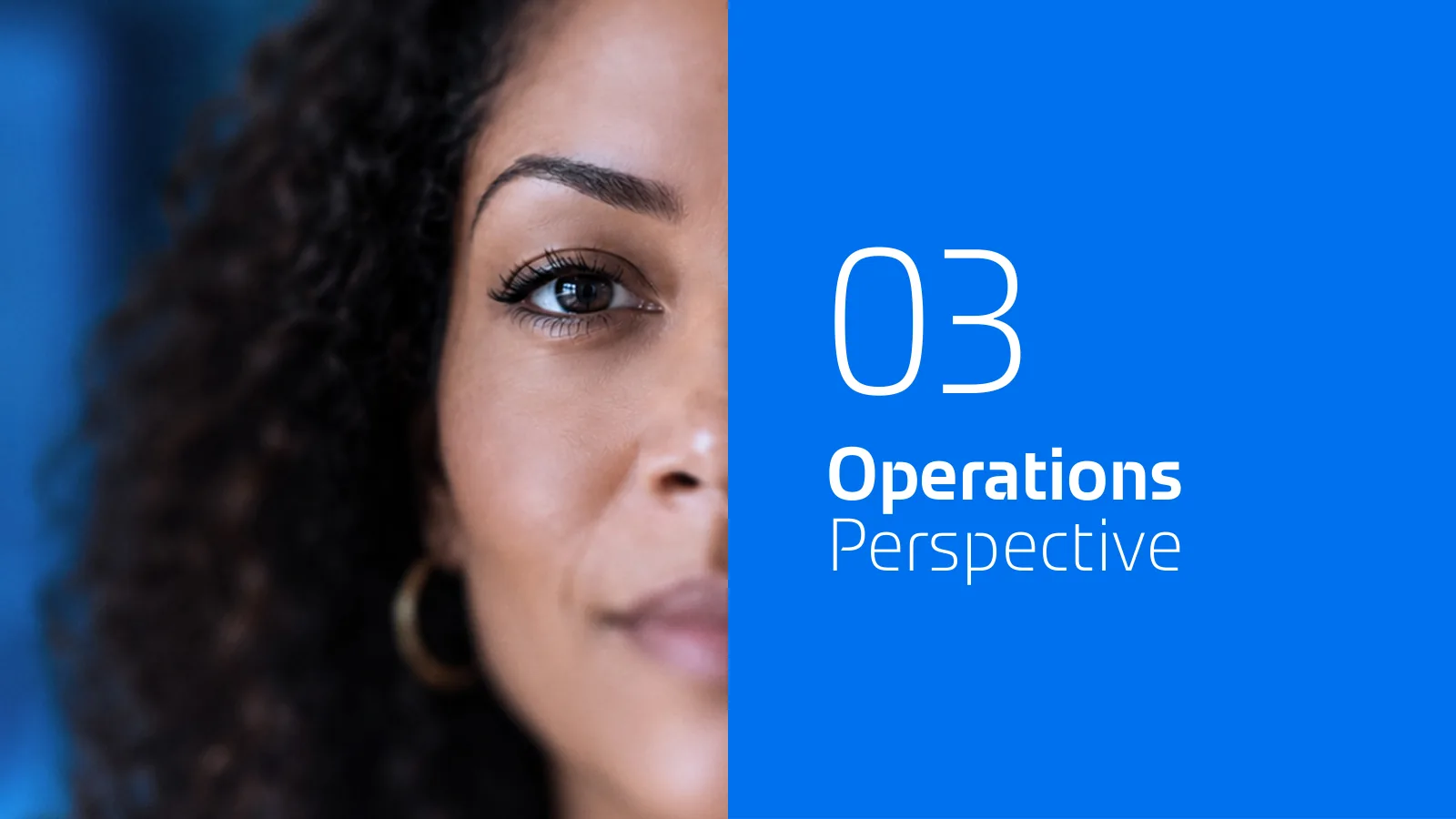
The campaign’s social layouts set a strong visual language: one eye in sharp focus, the rest falling into blurred depth, split against ZEISS optics. It felt cinematic already. Working on the ebook, I kept asking what that language would do if a reader could move through it.
Who did what
- I received
- Initial social layouts and about three AI portraits from the creative director, supplied ebook copy, and the ZEISS brand rules.
- I originated
- The idea of turning the ebook into an immersive web experience, and all five concepts. I also extended the portrait set by about four using ChatGPT.
- I designed
- The full ebook layout system, the Photoshop portrait layers, and the art direction and pacing for every concept.
- AI contributed
- A Claude Design system built from the brand rules, alternative page directions, code for each prototype, and the InDesign cleanup scripts. Claude wrote the scripts; I defined the problem and the requirements.
- What reached people
- The ebook, as part of the commissioned campaign. The web concepts are public prototypes and were not launched by ZEISS.
One ebook, five ways in
I gave myself a weekend and part of a Monday, roughly 12 to 18 hours for the websites alone. Each concept tells the same sourced story with a different idea about how a leader might want to explore it.
 Concept 01See what’s possible
 Concept 02Follow the light
 Concept 03A day in the ASC
 Concept 04Perspectives that come alive
 Concept 05Travel through possibility
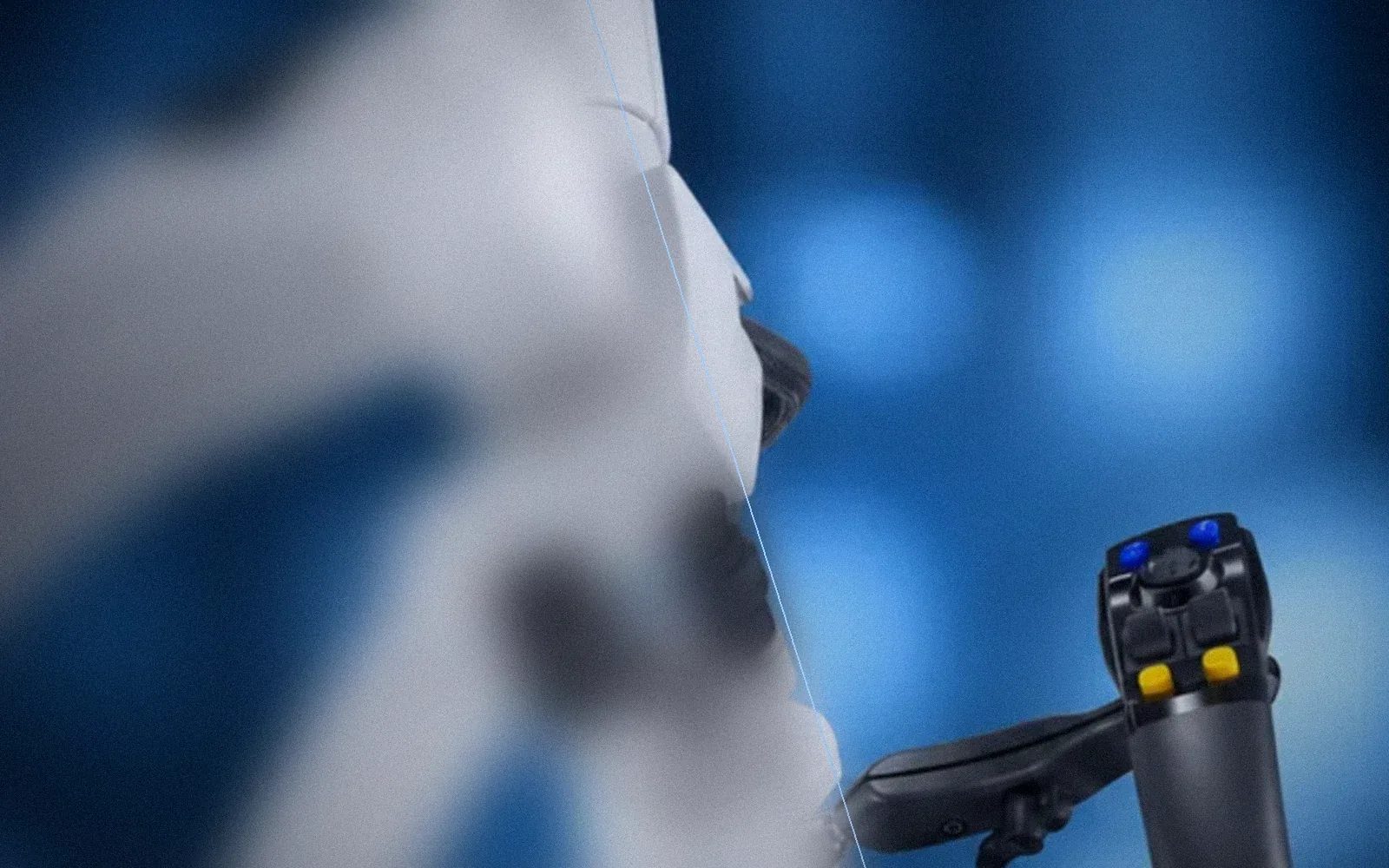
- See what’s possible resolves the story from blur into focus, with an interactive 3D product and a focus aperture over the four perspectives.
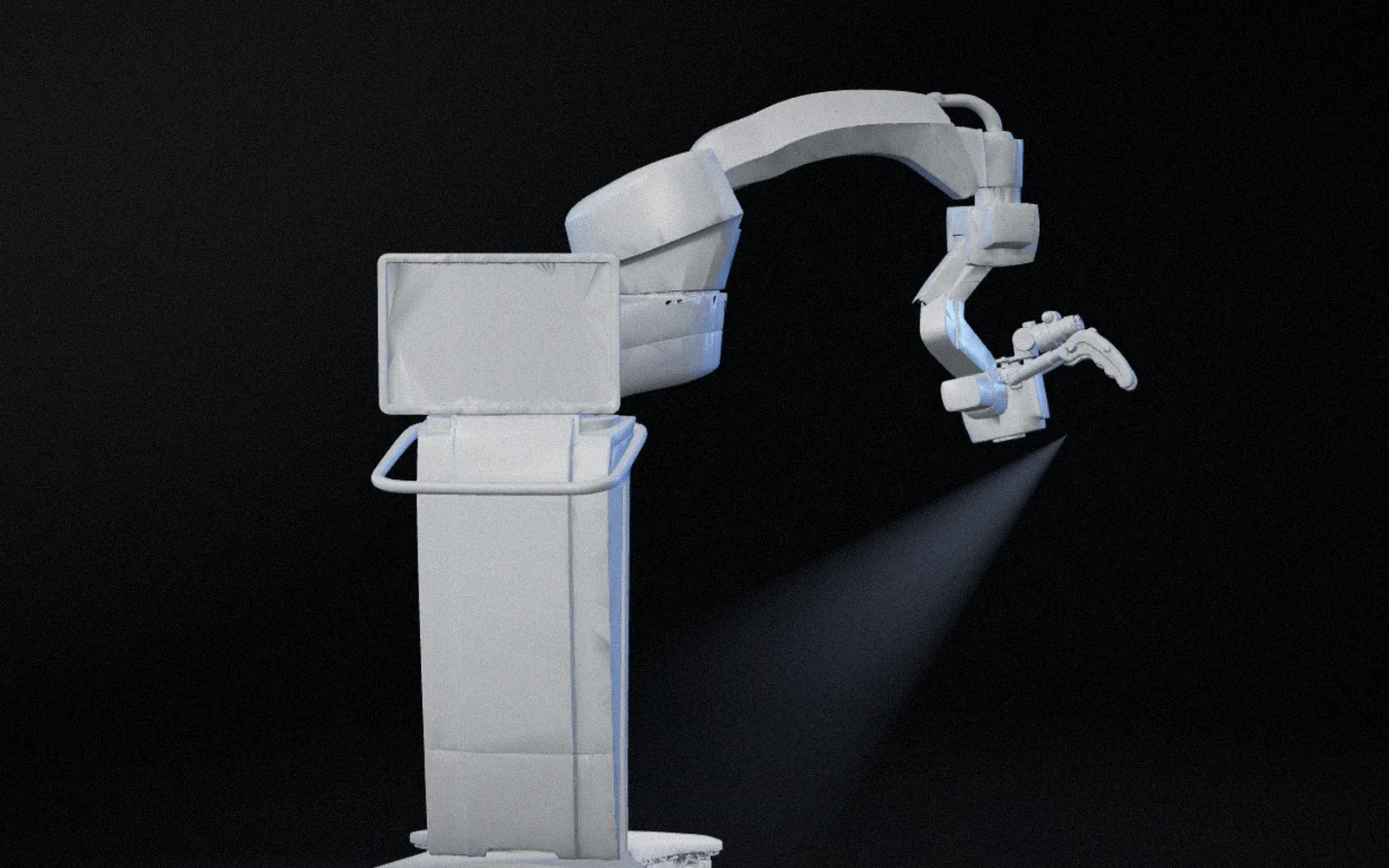
- Follow the light lets the microscope’s arm and optics follow the cursor and cast a spotlight across the story.
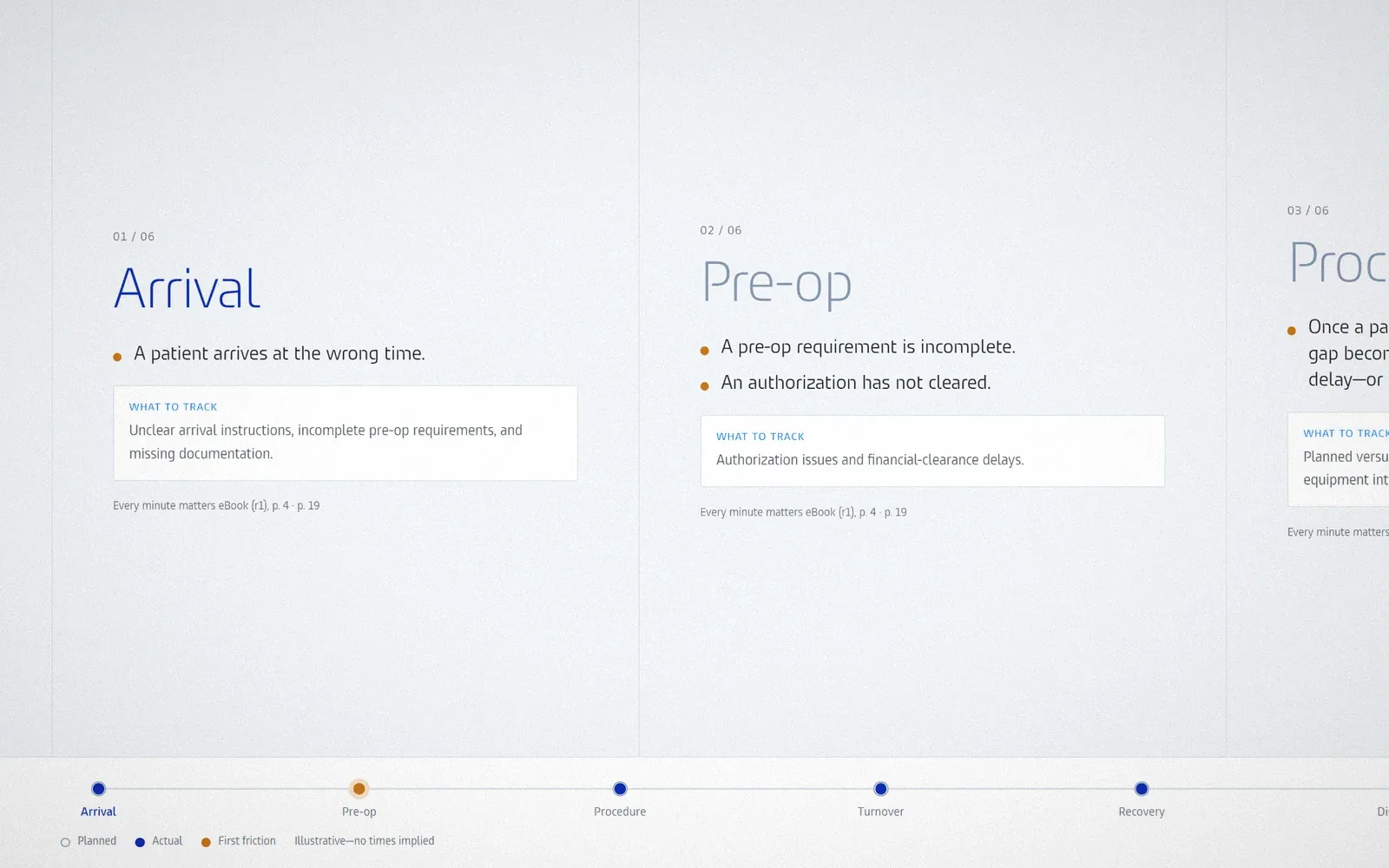
- A day in the ASC is a horizontal walk through one surgical day, where small frictions drift the schedule.
- Perspectives that come alive gives each leadership persona a living portrait that follows the cursor.
- Travel through possibility is one continuous 3D world. The camera passes through each chapter number and racks focus between a statistic and a quote. This is the one I’d take forward.
What I kept, and what I cut
Motion composed around the words
In the cinematic concept, the camera could fly anywhere at any speed. I directed it to travel between scenes, then hold long enough to read, using depth of field to pull the eye onto the copy. The motion is the frame around the content, never the content itself.
A portrait effect that worked and still lost
For the living portraits I prepared expressions in Photoshop, separated the eyes, and built layers behind face masks so the developer side could rig them. Technically it worked. It also felt robotic, and that uncanny quality undercut a campaign about trust and clarity. I kept it as an exploration and didn’t lead with it.
Knowing when to stop
For the product concept I built a model from product photography and tested a cursor-responsive arm. I proved it was partly feasible and stopped there, before sinking hours into full articulation for a prototype nobody had asked for yet.
From brand folder to finished ebook
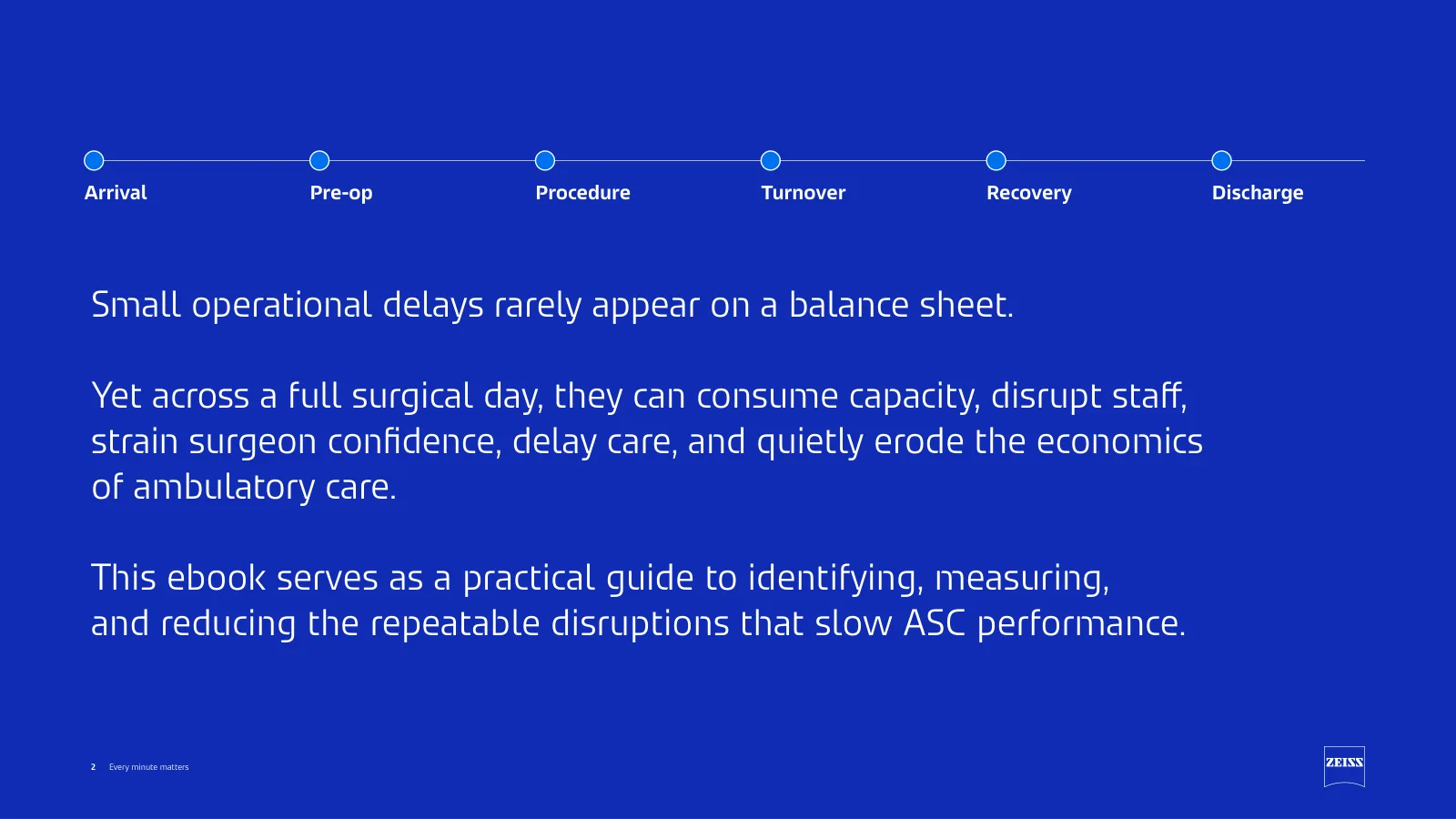
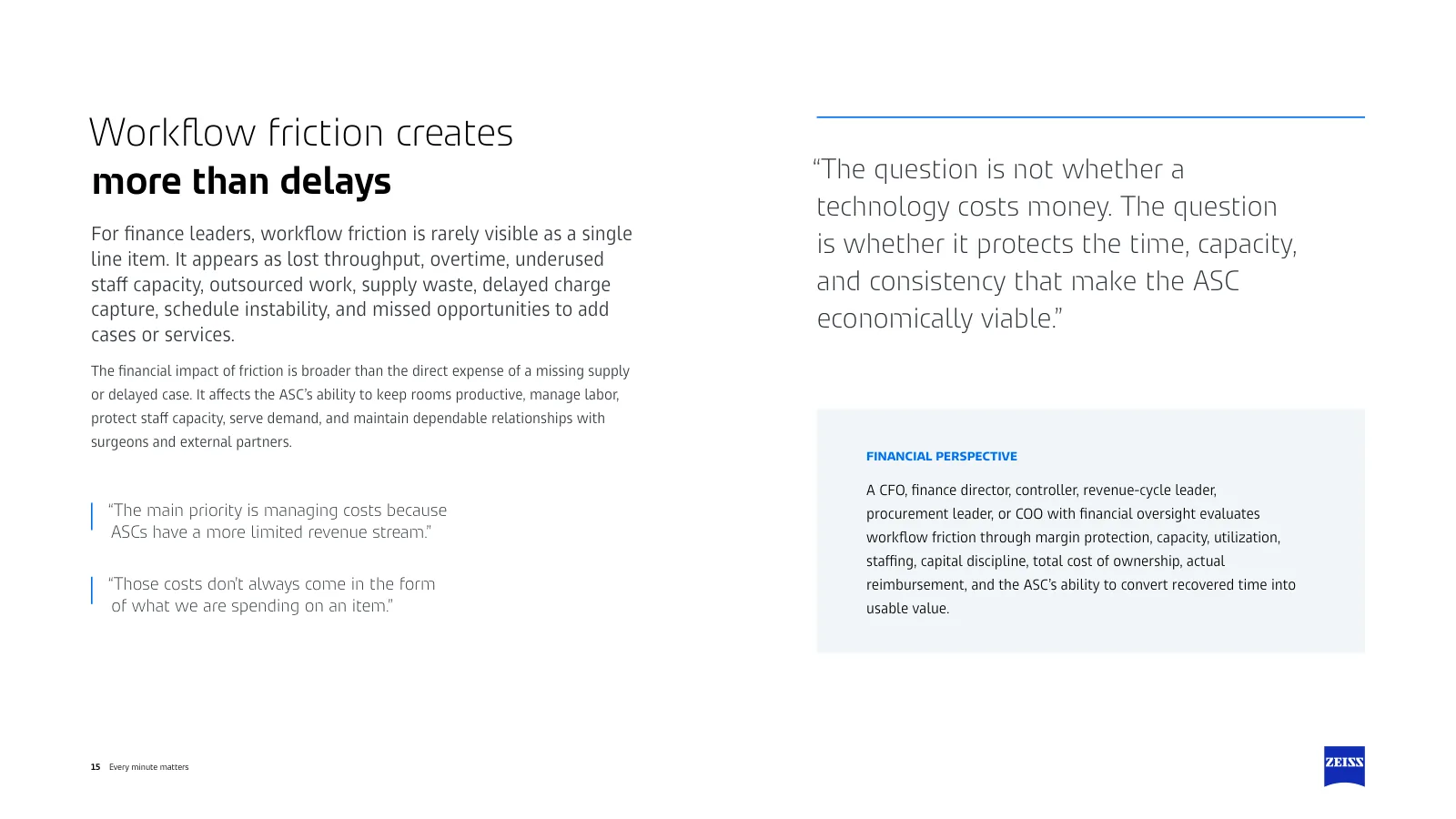
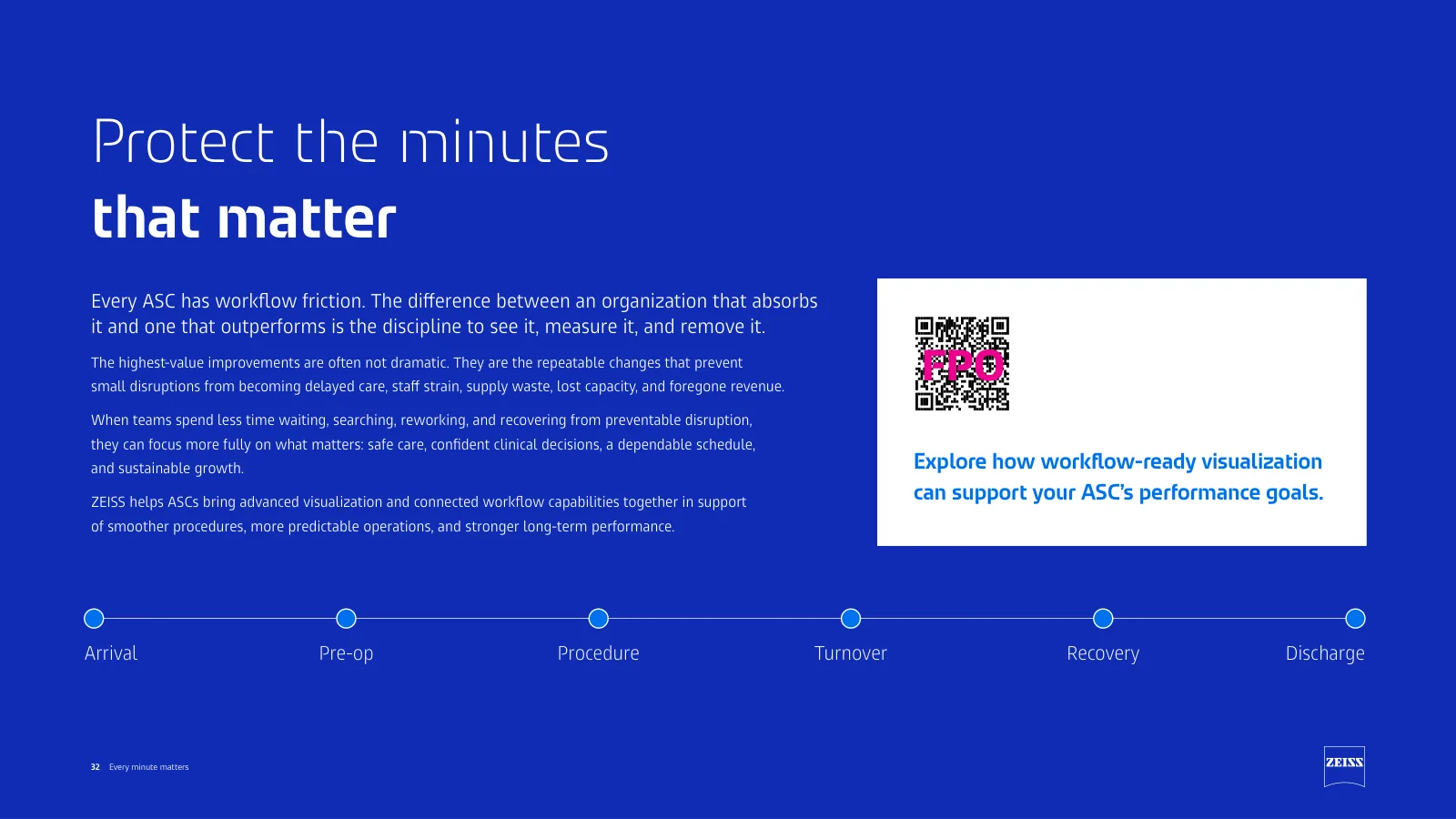
I assembled the brand rules and assets into a reusable Claude Design system in a few hours. From the supplied copy it produced several alternative directions, about five representative pages each. I chose one, refined it, and extended it through the full ebook.
Then I held the line on consistency: type sizes, header positions, spacing, hierarchy. When the PDF-to-InDesign conversion fragmented the text, I rebuilt the first version by hand using the PDF pages as visual reference.
For later rounds I worked with Claude on cleanup scripts. I estimate they handled 80 to 90 percent of the cleanup with little correction afterward. That’s my estimate of cleanup handled, not a measured time saving. I shared the scripts with my team.


Scroll sideways for more pages
Outcome and limits
The ebook shipped as part of the campaign. The five web concepts are publicly viewable prototypes; they weren’t presented to ZEISS and didn’t launch as an official campaign. Colleagues responded well. Any effect on engagement or conversion is a hypothesis, not a result.
What the project does prove is a way of working: one person, directing AI with clear intent, can carry a campaign from a brand folder to a finished ebook and five working web experiences, and still make the calls that need a designer.
Every statistic and quotation in the concepts comes from the ebook, with sources noted. Portraits are AI-generated illustrative personas.
Wrought & Written